
British Hydrogen
Hydrogen: The Fuel of the Future
What We Do

Electrolysis
Using electricity to split water into hydrogen and oxygen, which, when powered by renewable energy, can create green hydrogen with zero emissions.

Steam Methane Reforming (SMR)
A process that extracts hydrogen from natural gas, though this method produces carbon emissions unless paired with carbon capture technologies, known as blue hydrogen.

Biomass Gasification
A process that produces hydrogen from organic materials like plant waste.
Why Augmented Reality?
What is Hydrogen?
Hydrogen is rapidly emerging as a key player in the transition to cleaner, more sustainable energy systems. As the most abundant element in the universe, hydrogen has the potential to revolutionise industries ranging from transportation to energy production. Its versatility, combined with its ability to produce zero harmful emissions when used as fuel, makes it a promising solution for reducing our dependence on fossil fuels and combating climate change.
Hydrogen is a colourless, odourless, and highly reactive gas that is found in water, plants, and even the atmosphere. While it is the most abundant element in the universe, hydrogen is rarely found in its pure form on Earth. Instead, it exists in compounds such as water (H₂O), where it can be separated through various processes to be used as an energy carrier.
Why Us?
Our extensive market research and forecast predictions indicate that the value of Phi Crypto is set to increase significantly in the near future. As a pioneering cryptocurrency, we are strategically positioned to capitalise on emerging trends and investor interest, ensuring that our users benefit from potential growth and returns.
Hydrogen is not just a fuel—it’s the fuel of the future.
Featured Projects
Showcase

The Role of Hydrogen in Clean Energy
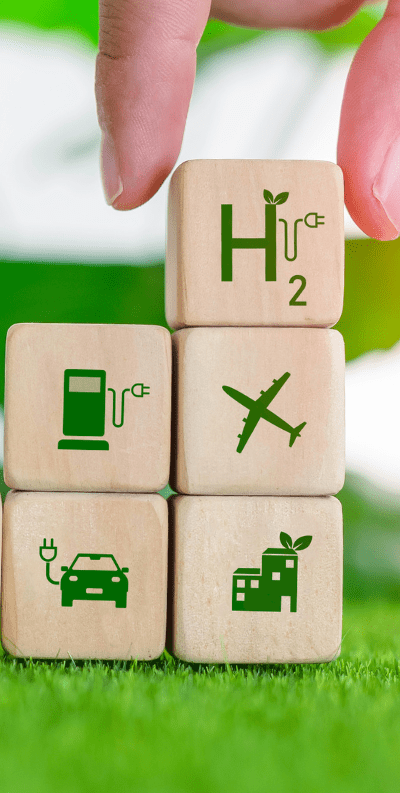
Hydrogen’s potential as a clean energy source lies in its ability to produce energy without releasing harmful pollutants. When used in fuel cells, hydrogen reacts with oxygen to produce electricity, and the only by-product is water. This makes hydrogen a zero-emission fuel, making it ideal for a wide range of applications
Transportation: Hydrogen fuel cells can power cars, trucks, buses, and even ships, providing a clean alternative to gasoline and diesel. Unlike battery-electric vehicles, hydrogen fuel cell vehicles can refuel quickly and have a longer range, making them suitable for long-haul transportation.
Energy Storage: Hydrogen can store excess renewable energy (like solar and wind) by converting it into hydrogen through electrolysis. This stored energy can then be converted back into electricity when needed, helping to stabilise power grids.
Industrial Use: Hydrogen is already widely used in industries such as refining and chemical production, but it also has the potential to replace fossil fuels in high-energy industries like steel and cement production, where decarbonisation is essential but difficult.
Hydrogen’s Environmental and Economic Benefits
Hydrogen is not only a clean energy source but also offers significant environmental and economic benefits:
Reduction of Carbon Emissions: By replacing fossil fuels in transportation, energy production, and industrial processes, hydrogen can play a pivotal role in reducing global carbon emissions and helping countries meet their climate goals.
Energy Independence: Hydrogen can be produced locally using renewable energy sources, reducing dependence on imported fossil fuels and enhancing energy security for countries around the world.
Job Creation: The growth of the hydrogen economy could create millions of new jobs in sectors such as engineering, manufacturing, infrastructure development, and research, driving economic growth and innovation.
The Challenges of Hydrogen
Despite its promise, hydrogen still faces challenges that need to be addressed before it can become a mainstream energy source:
Cost of Production: Producing green hydrogen via electrolysis is currently more expensive than fossil fuel-based alternatives. Scaling up renewable energy production and improving electrolyser efficiency will be key to making hydrogen more cost-competitive.
Infrastructure Development: Widespread adoption of hydrogen requires significant investment in infrastructure, such as refuelling stations, storage facilities, and pipelines. Building this infrastructure on a global scale will take time and resources.
Storage and Transportation: Hydrogen is a lightweight but low-density gas, making it challenging to store and transport. Technologies like compressed hydrogen and liquid hydrogen are being developed to address these issues, but further innovation is needed.
The Future of Hydrogen
As countries around the world commit to decarbonisation and achieving net-zero emissions, hydrogen is expected to play a crucial role in the future energy mix. With continued investment in research and development, hydrogen has the potential to power everything from homes and industries to cars and planes—all while reducing carbon footprints and promoting sustainable development.
In the coming years, we can expect hydrogen to move from a niche technology to a mainstream solution, helping to build a cleaner, greener, and more resilient global economy.